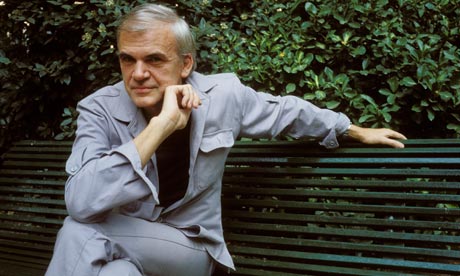
You’ll never know exactly what a translator has done. He reads with maniacal attention to nuance and cultural implication, conscious of all the books that stand behind this one; then he sets out to rewrite this impossibly complex thing in his own language, re-elaborating everything, changing everything in order that it remain the same, or as close as possible to his experience of the original. In every sentence, the most loyal respect must combine with the most resourceful inventiveness. Imagine shifting the Tower of Pisa into downtown Manhattan and convincing everyone it’s in the right place; that’s the scale of the task. Writing my own novels has always required a huge effort of organisation and imagination; but, sentence by sentence, translation is intellectually more taxing. On the positive side, the hands-on experience of how another writer puts together his work is worth a year’s creative writing classes. It is a loss that few writers “stoop” to translation these days.
 You have finally finished writing your article. You’ve sweat over your choice of words and agonized about the best way to arrange them to effectively get your point across. You comb for errors, and by the time you publish you are absolutely certain that not a single typo survived. But, the first thing your readers notice isn’t your carefully crafted message, it’s the misspelled word in the fourth sentence. Typos suck…
 ‘ve recently discovered the ProZ Exchange page where members can offer and request books, language training, CAT tools licenses, travel advice, TMs and more.